Understanding lenses and how they’re used is an important part of learning about film. The more you know, the more freedom you have to be a successful filmmaker. As I am new to this, I can’t say I have a very in depth understanding and I think it is something that will improve over time with practice and experience. However, this is what I do understand.
Focal Length
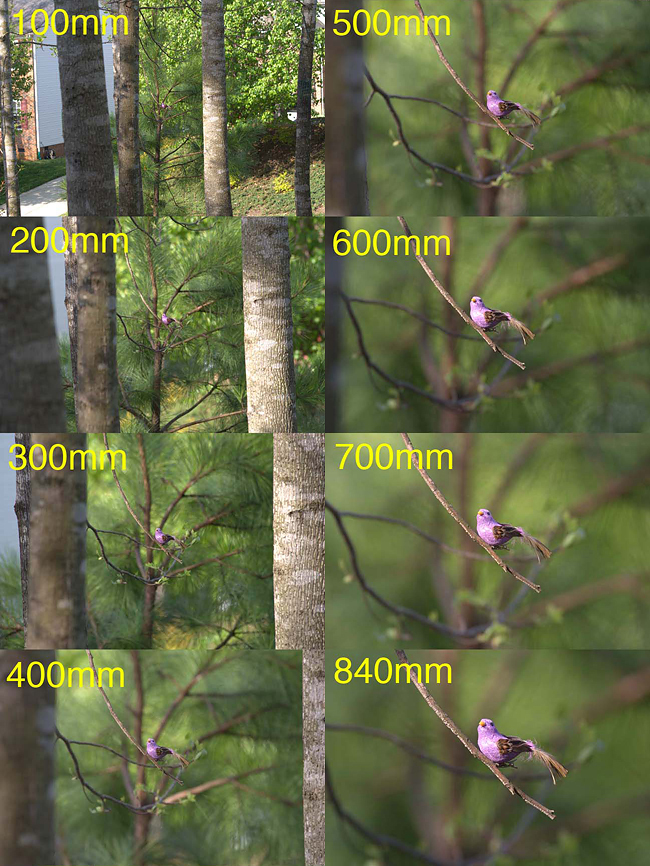
Focal length is what determines how wide or narrow a shot is. It is measured in mm. The lower the mm of the lens, the lower the magnification (wider angle.) The higher the mm of the lens, the higher the magnification (narrower angle.)
Exposure
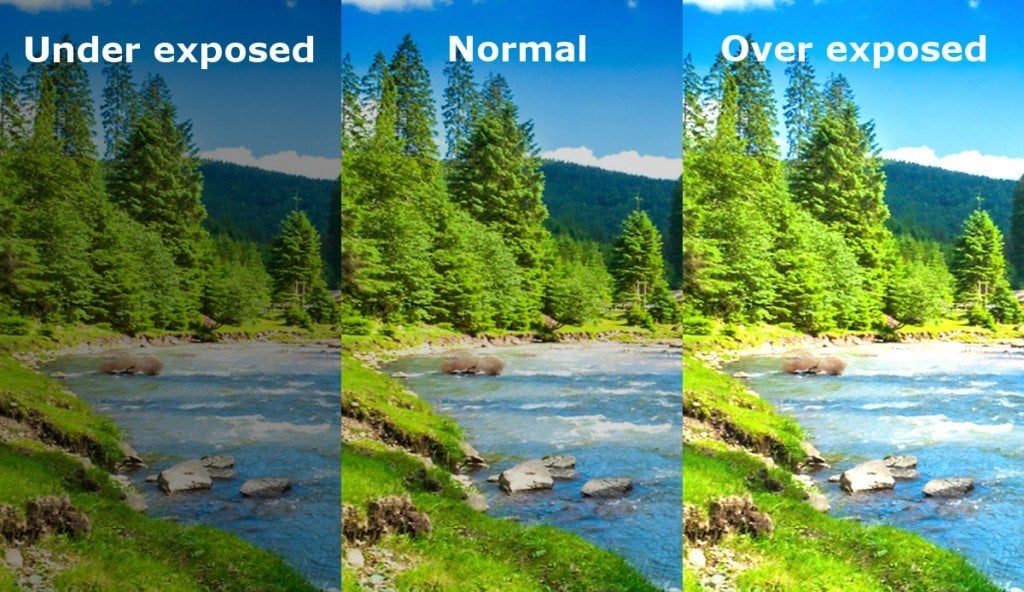
Exposure is defined as ‘the quantity of light allowed to act on a photographic material.’ So how much light is let in by a lens. It is a crucial part of how bright or dark the image will look. This is controlled by 3 things: shutter speed, aperture and camera ISO. Shutter speed and aperture are the only two settings that affect the actual exposure of an image, whereas ISO affects the brightness.
Aperture
Aperture is the name of the hole within a lens. Light travels through this hole into the body of a camera. The larger the hole, the more light will travel through. Aperture also controls the depth of field, which is the portion of a scene that appears to be sharp and in focus. Aperture is measured in F stops, which refer to how wide the hole in the lens is. A low F number will let lots of light in. A high F number lets very little light in. If the aperture is very small, the depth of field is large, while if the aperture is large, the depth of field is small.

Shutter Speed
Shutter speed the length of time a camera shutter is open to expose light into the camera sensor. Slow shutter speeds allow more light into the camera sensor and are used for low-light and night photography, while fast shutter speeds help to freeze motion. Shutter speeds are measured in fractions of a second, and you should always use 2x your fps. For example if your fps is 25, your shutter speed should be 1/50 of a second.
ISO
ISO is a way to brighten your photos if you can’t use a longer shutter speed or a wider aperture. It is typically measured in numbers, a lower number meaning a darker image, a higher number meaning a brighter image. However, if you raise your ISO, you also raise the visibility of graininess/noise in your images. Examples of ISO: 100, 200, 400, 800, 1600.

The Exposure Triangle
The exposure triangle is used to explain how the things above work together to affect exposure. I found this one useful.

Some of the information in this post was found here. I found the explanations to be useful and really helped consolidate my basic understanding.

 jrwolf